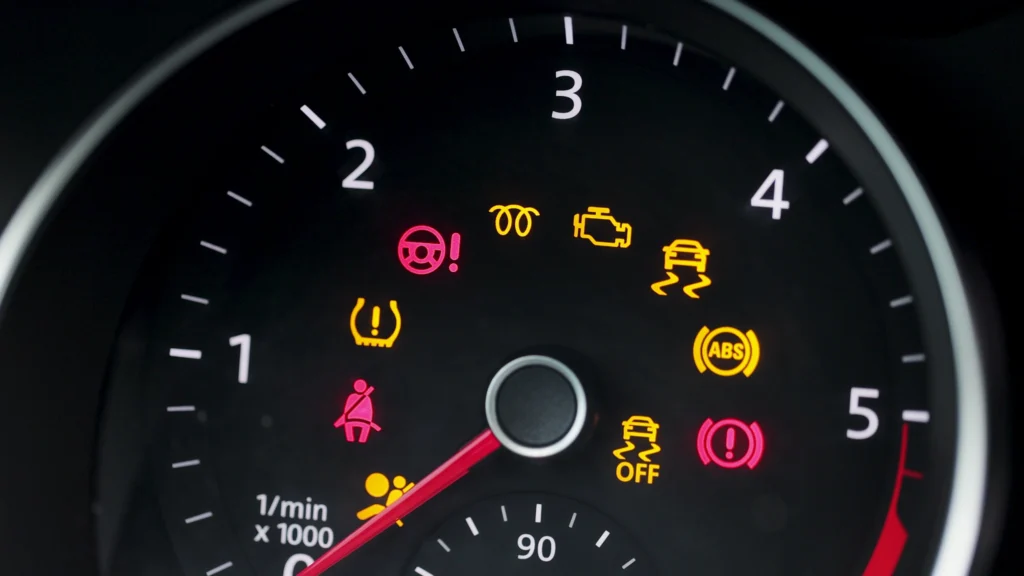
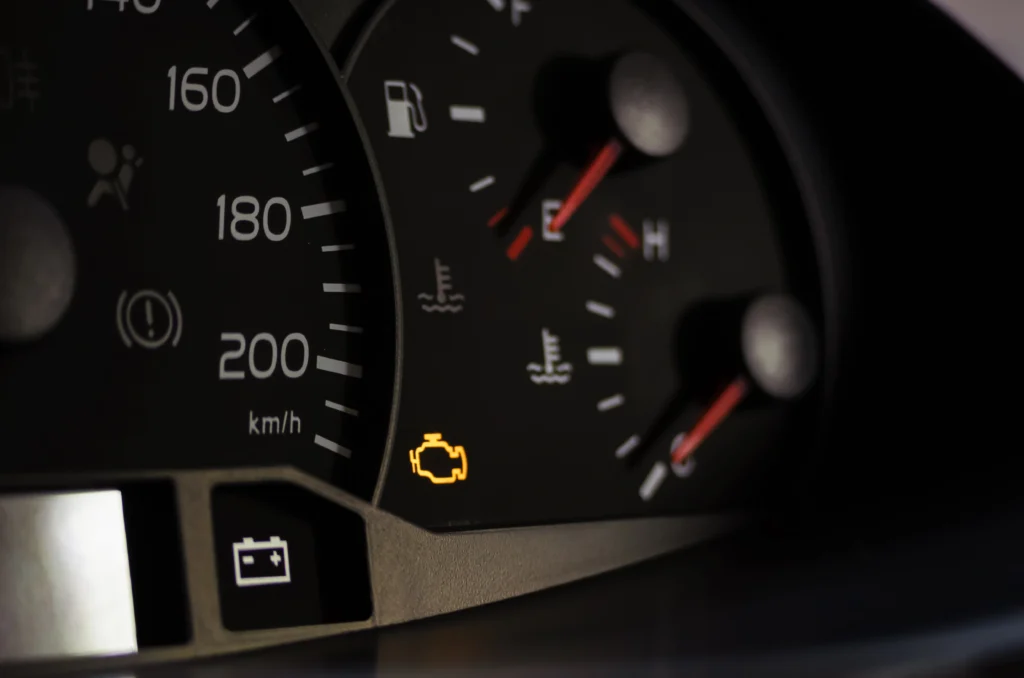
Few things create instant stress behind the wheel like seeing the check engine light appear on your dashboard. One moment your car feels fine, the next you’re wondering if you should pull over or keep driving. For drivers in Lebanon, IL, understanding what that light is telling you — and what steps to take next — can save you time, money, and a lot of frustration. Modern vehicles are built with dozens of sensors that monitor how your engine and emissions system are performing. When something is off, the computer stores a code and turns on the light. That doesn’t always mean your car is about to break down, but it does mean it’s time to pay attention.
Why the Light Comes On
Your car constantly runs self-checks while you drive. When it detects a problem, it activates the check engine light on your dashboard. The issue could be something simple like a loose gas cap or something more serious like a failing catalytic converter. Here are some of the most common causes drivers in the Lebanon area encounter:
- A fuel cap that isn’t sealing properly, letting vapors leak out
- Malfunctioning oxygen or airflow sensors disrupting the air-fuel balance
- Ignition system issues such as worn spark plugs or bad coils
- Emissions system problems, including the catalytic converter
- Vacuum leaks or failing hoses
Because your vehicle can’t explain itself in plain English, the only way to know exactly what’s wrong is through proper engine diagnostics.
Solid Light vs. Flashing Light
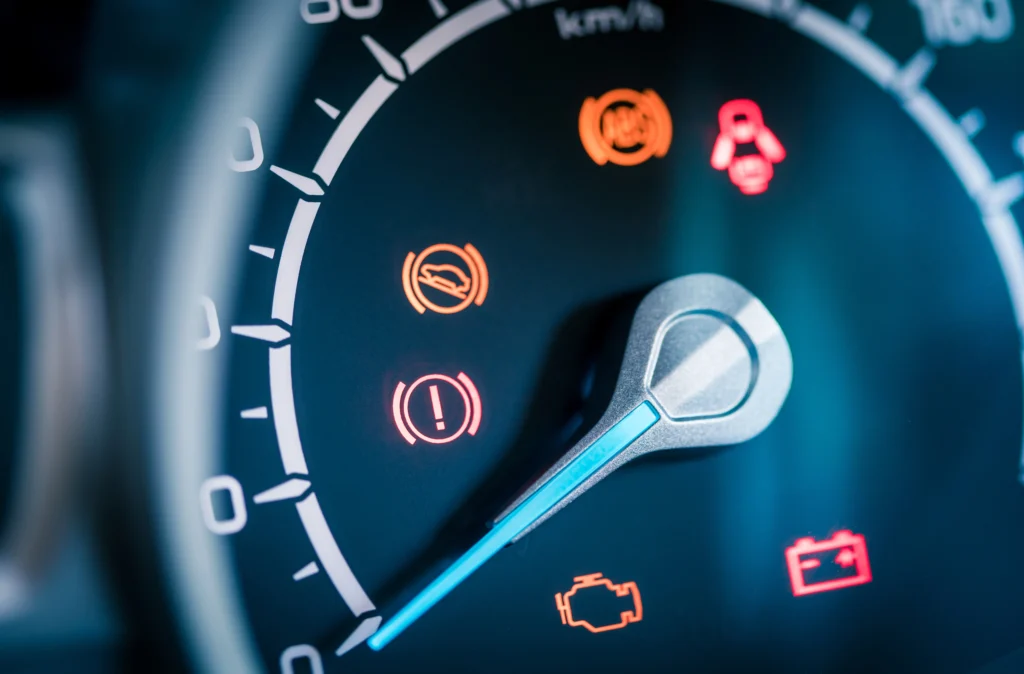
Not all car warning lights are created equal. If the light is on steadily, it means the computer has found a problem that should be checked soon. You can usually drive short distances safely, but don’t put it off for weeks. If the light is flashing, that’s a serious warning. A flashing indicator often points to a misfire that can damage your engine or exhaust system. In this situation, you should reduce speed and have the vehicle inspected as quickly as possible.
What to Do First
When you notice the check engine light on, start with the simplest step: check your gas cap. Make sure it’s tight and secure. That simple fix may cause the light to disappear once the car completes a few start-and-stop cycles. If the light stays on, it’s time for OBD diagnostics. A technician will connect a scan tool to your car’s onboard computer to read the trouble codes stored inside. These codes don’t automatically tell the full story, but they point mechanics in the right direction. This step is crucial because guessing can lead to unnecessary parts replacements. Accurate engine diagnostics ensure the real issue is identified the first time.
Why You Shouldn’t Ignore It
Many drivers treat the warning as background noise, especially if the car still feels normal. That’s a mistake. Small issues often turn into big repair bills if they’re ignored. A faulty sensor can throw off your fuel economy, increase emissions, and eventually lead to performance problems or breakdowns. If you’ve ever searched online for engine repair near me after being stranded, you know how inconvenient that can be. Addressing the problem early helps you avoid emergency repairs and unexpected towing costs.
When car warning lights show up, a local repair shop with the right tools and experience makes all the difference. A proper diagnostic process doesn’t just clear the code — it verifies the cause, tests related components, and confirms the fix. For Lebanon, IL drivers, having a reliable technician nearby means faster service, clearer explanations, and peace of mind knowing your vehicle is safe to drive. The next time your dashboard lights up, don’t panic — and don’t ignore it. A quick diagnostic check can be the difference between a minor fix today and a major repair tomorrow. Call our team over at Full Circle Auto Service today!