Hearing a whining noise from your car can be unsettling, especially if you’re unsure of the cause. Whining sounds can indicate minor issues like low fluid levels or more severe mechanical problems that require immediate attention. Identifying the source of the noise early can prevent costly repairs and ensure your vehicle runs smoothly in Shiloh, IL. Below, we explore some of the most common causes of whining noises in cars and what you can do about them.
Low Power Steering Fluid
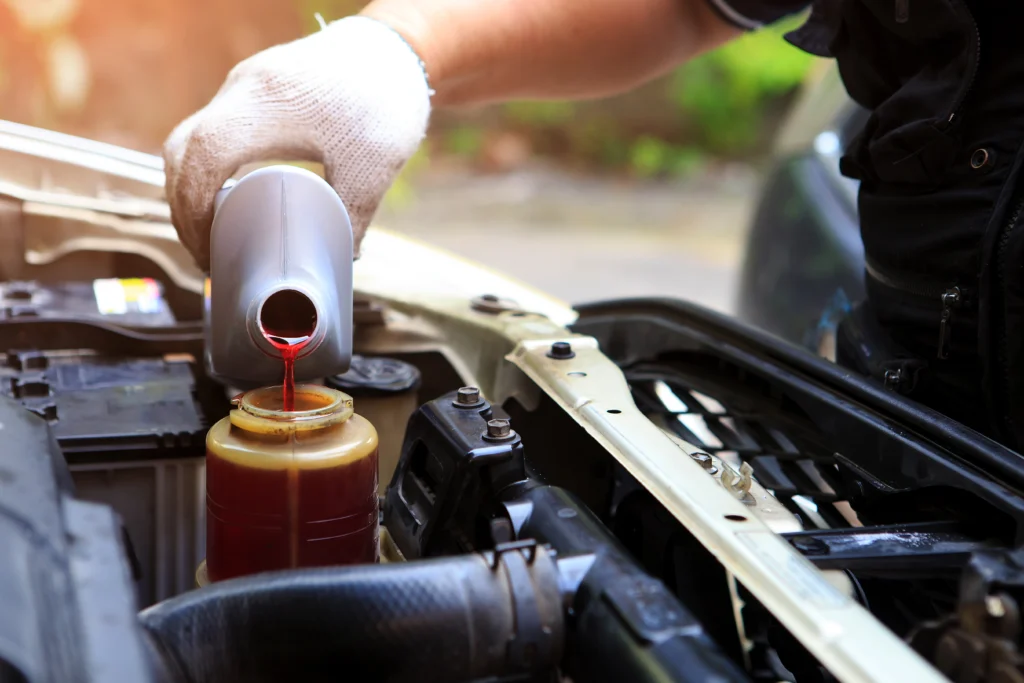
One of the most frequent causes of a whining noise, especially when turning the steering wheel, is low power steering fluid. The power steering system relies on this fluid to assist in smooth steering. If levels drop due to a leak or normal wear and tear, the steering pump can start making a whining sound. You may also notice difficulty turning the wheel. Checking the fluid reservoir and topping it off with the correct type of power steering fluid can often resolve the issue. However, if the noise persists, there may be a leak that requires professional repair.
Faulty Alternator
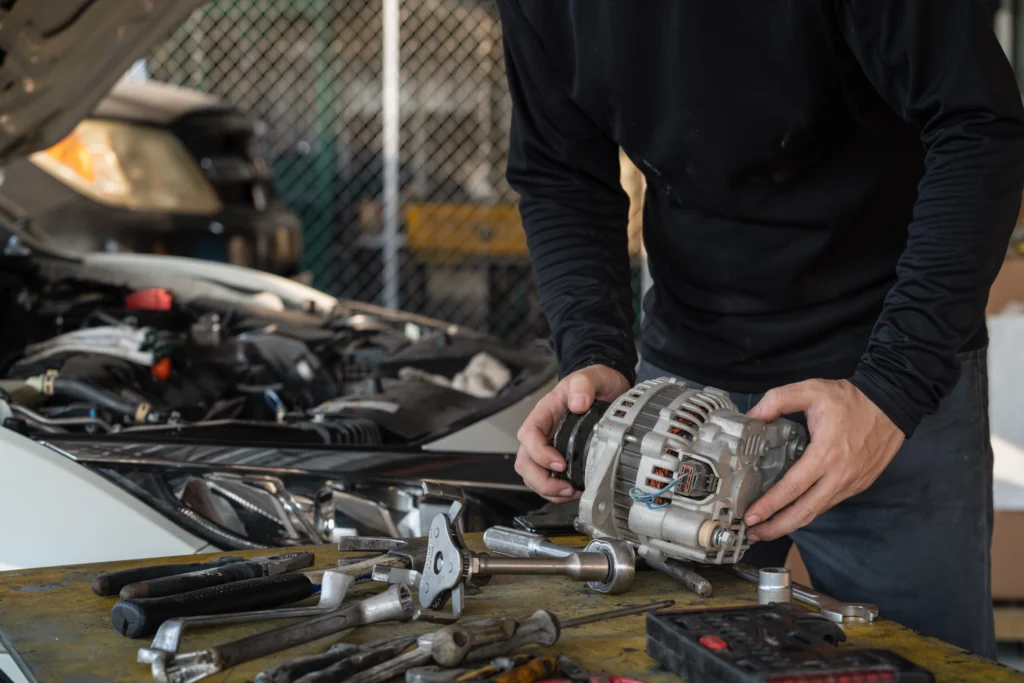
A whining noise that increases with engine speed could be related to the alternator. The alternator replenishes the battery and supplies power to electrical components when the engine is running. If the bearings inside the alternator wear out or the belt is loose, it can produce a whining or high-pitched humming noise. If you also notice dimming headlights or a weak battery, the alternator may be failing and should be inspected by a mechanic near Shiloh, IL.
Transmission Issues
If you hear a whining sound while accelerating or shifting gears, your transmission could be the culprit. Low transmission fluid, worn-out gears, or a faulty torque converter can create whining noises. In automatic transmissions, dirty or low fluid can cause improper shifting and lead to transmission damage if left unaddressed. In manual transmissions, worn bearings or gear synchronizers may be responsible. Checking and replacing transmission fluid as recommended by your vehicle’s manufacturer can help prevent costly repairs.
Worn or Loose Serpentine Belt
The serpentine belt powers several essential components, including the alternator, power steering pump, and air conditioning compressor. If this belt becomes loose, worn, or misaligned, it can produce a high-pitched whining or squealing noise. Inspecting the belt for cracks, fraying, or excessive wear can help determine if it needs replacement. A simple belt adjustment or replacement can often eliminate the noise.
Differential or Wheel Bearing Problems
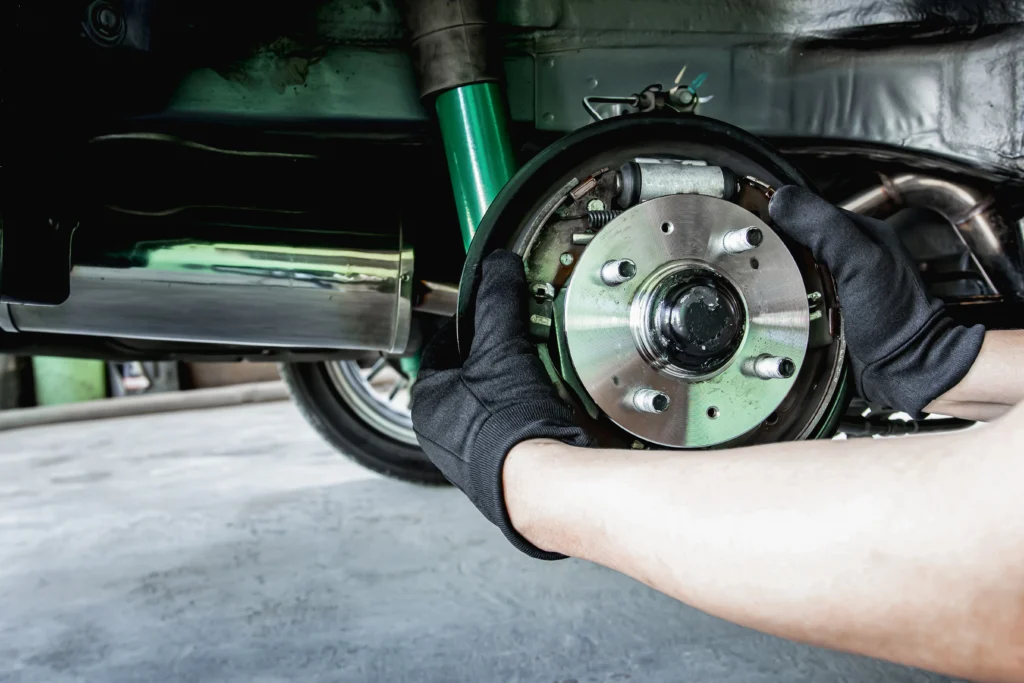
If the whining noise is more noticeable when driving at higher speeds or making turns, the issue could be related to the differential or wheel bearings. A failing wheel bearing often produces a whining or humming noise that gets louder as you accelerate. Similarly, a worn differential, which helps distribute power to the wheels, can create whining noises if it’s low on gear oil or has internal damage. A mechanic can diagnose these issues and recommend the necessary repairs.
Call Full Circle Auto Service today if you are looking for an auto mechanic near Shiloh, IL that can help fix your car if it is making whining noises.